
You Must Be Born Again: What Jesus Really Meant When He Said It
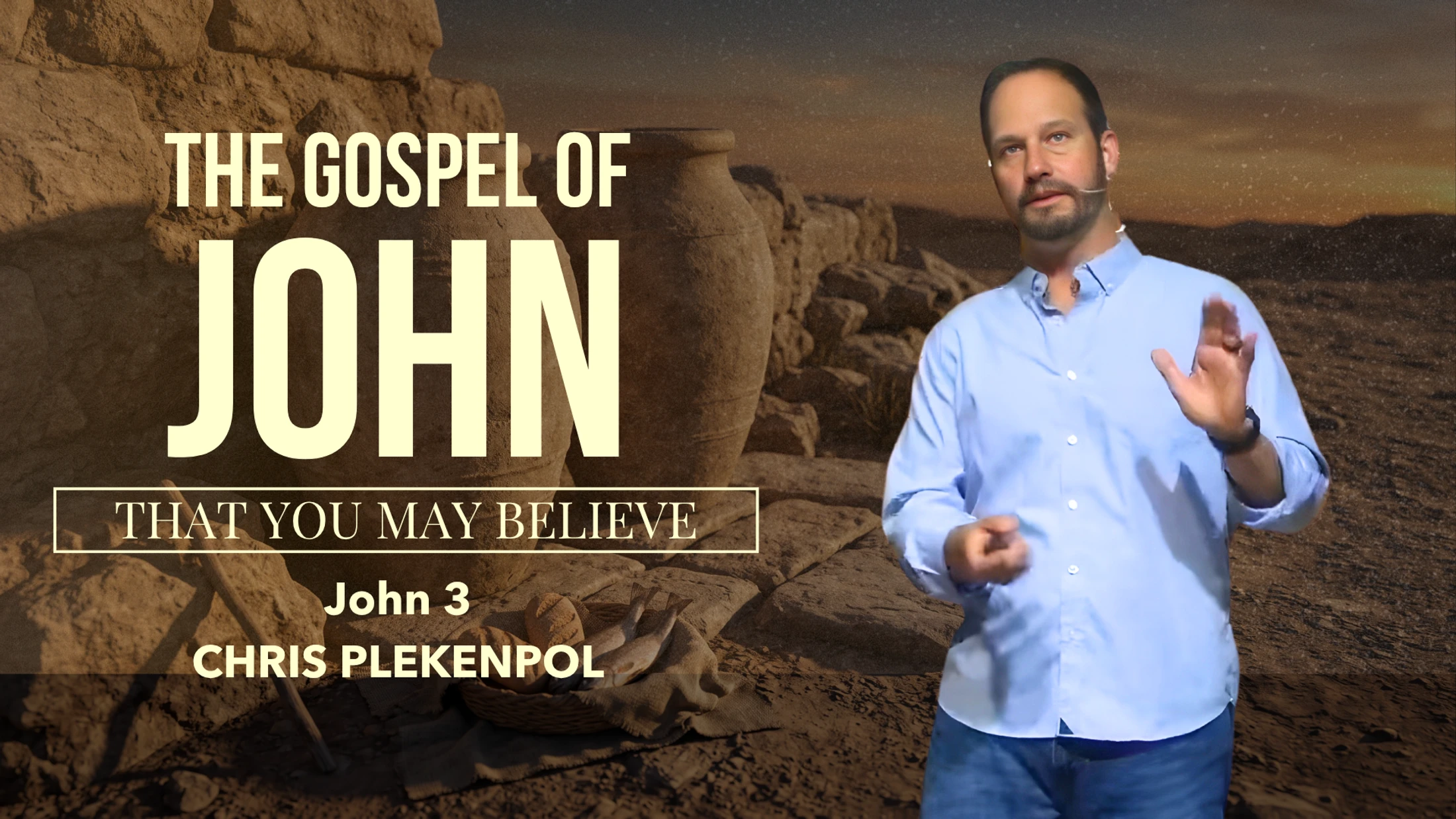
You Must Be Born Again: What Jesus Really Meant When He Said It
Jesus told a highly respected religious leader that He needed to be born again. Not improved. Not upgraded. Completely reborn. That message is just as relevant today as it was the night Nicodemus came looking for answers.
Who Was Nicodemus and Why Did He Come to Jesus at Night?
Nicodemus was not just any religious figure. He was a Pharisee, a high-ranking Jewish leader who was deeply respected in his community. The Pharisees were known for their strict devotion to God's Word and their resistance to Roman influence. Nicodemus knew the scriptures better than almost anyone around him.
He came to Jesus at night, and that detail matters. He did not approach Jesus publicly or on social media (so to speak). He came privately, and there is wisdom in that. He did not want to drag his family or community into something he had not yet worked out for himself. He needed to figure out who Jesus was on His own terms first.
He opened the conversation with a compliment: "Rabbi, we know that you are a teacher come from God, for no one can do these signs that you do unless God is with Him." It was a respectful, measured acknowledgment. Jesus did not return the pleasantry. Instead, He went straight to the point.
What Does "Born Again" Actually Mean?
Jesus responded to Nicodemus with something unexpected: "Truly, truly, I say to you, unless one is born again, He cannot see the kingdom of God." - John 3:3
Nicodemus pushed back the way most of us would. He asked how a grown man could possibly re-enter his mother's womb. It was a blunt, almost sarcastic response, but it was honest. He genuinely did not understand.
Jesus clarified: "Truly, truly, I say to you, unless one is born of water and the Spirit, He cannot enter the kingdom of God. That which is born of the flesh is flesh, and that which is born of the Spirit is Spirit." - John 3:5-6
Everyone is born of flesh. That is a given. But there is a second birth available, one that God Himself initiates. Jesus compared it to the wind. You cannot see it, you cannot control it, but you can hear it and feel its effects. That is how God moves when He brings someone to new life.
Why Was Jesus Surprised That Nicodemus Did Not Understand This?
Here is where it gets interesting. Jesus essentially said, "You are the teacher of Israel and you do not understand these things?" That sounds harsh, but Jesus was pointing to something Nicodemus should have already known from His own scriptures.
Psalm 87 is a song that describes God's heart for people from every nation, including Israel's greatest enemies. Egypt, Babylon, Philistia, Tyre, and Cush are all mentioned. These were nations that enslaved, exiled, and battled Israel. And yet the Psalm says of them: "This one was born there." - Psalm 87:4
The idea is that someone born in Egypt could also be born in Zion. Someone born in Babylon could be registered as a citizen of the city of God. The concept of being born again, of having a second birth into God's kingdom, was already woven into the scriptures Nicodemus had studied His whole life. Jesus was not introducing a brand new idea. He was pointing to something that had been there all along.
God Himself is described as the one who establishes this. It is not something you conjure up through effort or religious performance. The Most High does the work.
What Happens When We Miss What Is Right in Front of Us?
There is a real danger in reading something so many times that you stop actually seeing it. Nicodemus had read these scriptures over and over. He knew them. But familiarity had dulled his ability to receive what they were actually saying.
This is a challenge for anyone who has grown up in church or spent years reading the Bible. It is easy to assume you already know what a passage means and move on without letting it speak freshly. The invitation is to come to scripture with open eyes, asking God to speak rather than assuming you already know what He will say.
What Does the Bronze Serpent Have to Do With Jesus?
Jesus made a striking comparison: "And as Moses lifted up the serpent in the wilderness, so must the Son of Man be lifted up, that whoever believes in Him may have eternal life." - John 3:14-15
In the wilderness, the Israelites were dying from snake bites as a consequence of their grumbling and sin. God told Moses to put a bronze serpent on a pole and lift it up. Anyone who looked at it would be healed. They did not have to do anything complicated. They just had to look and believe.
Jesus said His own lifting up, His crucifixion, would work the same way. People are dying. The remedy is not a program or a self-improvement plan. It is looking to Jesus and believing in what He has done.
What Is John 3:16 Really Saying?
"For God so loved the world, that He gave His only Son, that whoever believes in Him should not perish but have eternal life." - John 3:16
That word "whoever" carries enormous weight. There is no prerequisite. There is no minimum level of having your life together. The invitation is open to everyone, regardless of what they have done or where they have been.
Jesus did not come to condemn. He came to save: "For God did not send His Son into the world to condemn the world, but in order that the world might be saved through Him." - John 3:17
But the passage does not stop there. It also says that those who do not believe are already condemned. Not because God is eager to punish, but because sin carries real consequences. Hurt people hurt people. The pain of the past shapes how we treat others, and the cycle continues until something breaks it. That something is the new birth Jesus is describing.
Why Do People Avoid the Light?
Jesus explained that people often prefer darkness because they do not want their actions exposed. Coming into the light feels threatening. It can bring guilt, shame, and discomfort.
But there is another way to receive the light. When you understand that God is not holding a scorecard over your head but is instead offering freedom, the light becomes something you run toward rather than away from. The good that flows from a transformed life is not something you manufacture. It is God working through you.
Two Questions Worth Sitting With
There are two honest questions that come out of this passage.
- Are you born again? Not sort of, not probably. It is a yes or no. Believing that Jesus died for your sins and rose from the dead is the heart of it. You do not earn it. You receive it.
- If you are born again, does your life reflect that? Does the way you treat people, use authority, and engage with the world around you look like someone who has moved from darkness to light?
These are not questions meant to produce guilt. They are meant to produce clarity.
Life Application
This week, take time to read a familiar passage of scripture slowly and with fresh eyes. Ask God to show you something you have read over before without truly seeing it. Come to it the way Nicodemus came to Jesus, honestly, with real questions, and without assuming you already have all the answers.
Ask yourself these questions as you go through your week:
- Am I living like someone who has been made new, or am I still operating out of old habits and old patterns?
- Is there an area of my life where I have been avoiding the light because I do not want what is there to be exposed?
- Do the people closest to me see evidence of a transformed life, or do they mostly see the same person I was before?
Being born again is not a one-time label. It is the beginning of a life that looks increasingly different from the one you lived before. The invitation is open. The door is new. You do not need a patch on the old one.